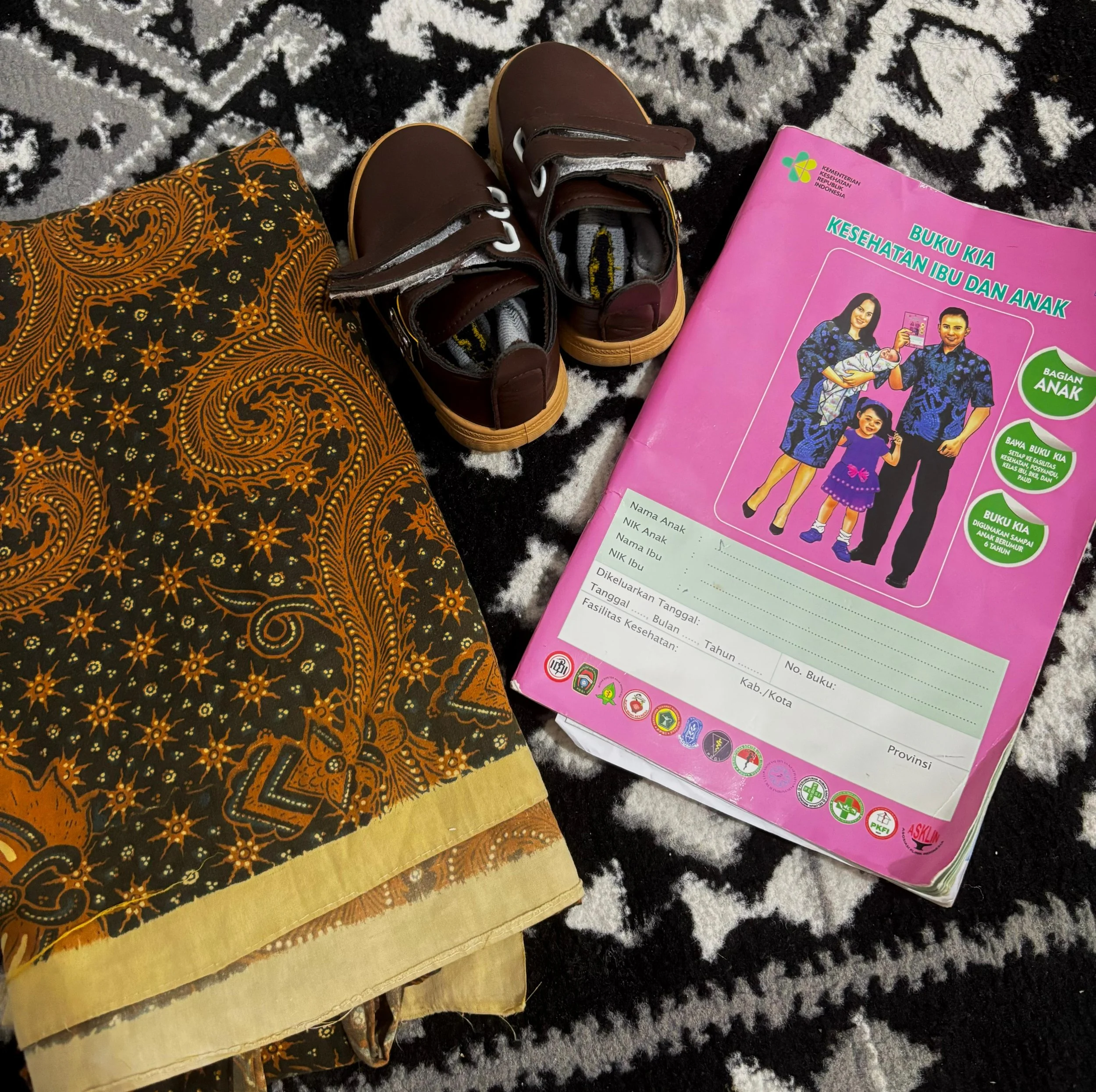
Adolescents’ use of maternal and newborn care
This gallery illustrates the stories of adolescents' access to maternal and newborn health care. The narratives presented not only reflect their personal experiences but also include perspectives from health workers.
Adolescents’ use of maternal and newborn care is shaped by many intersecting drivers.
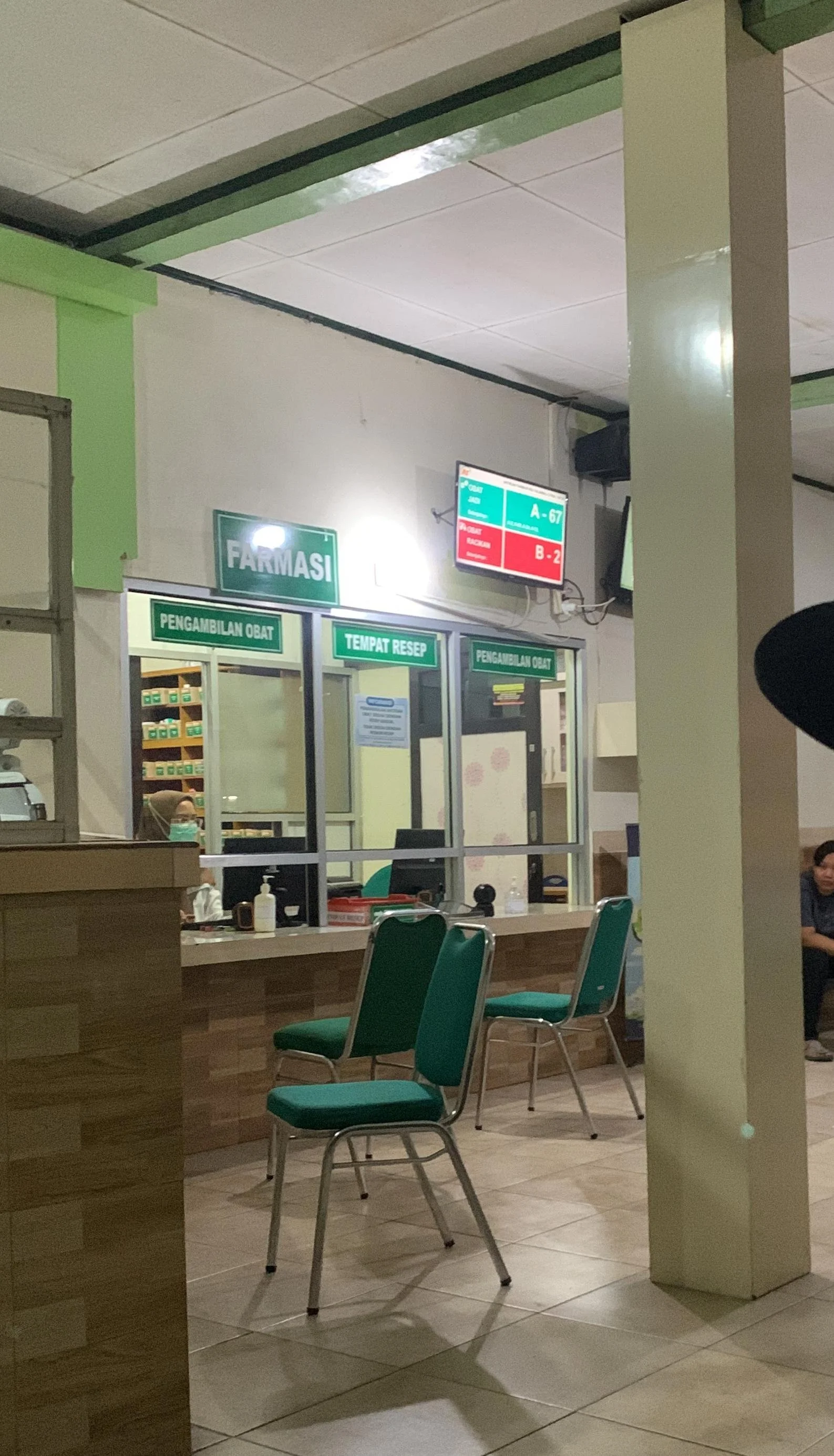
Adolescents and their maternal and newborn care journeys
This gallery portrays the experiences of adolescents when seeking care at health facilities—whether for pregnancy check-ups, newborn care, or during childbirth. Their stories are diverse, ranging from supportive and positive encounters to moments that were difficult and discouraging.
These accounts serve as valuable lessons, with the hope that fellow adolescents and other women who come to health facilities will be treated with greater respect and compassion.
The gallery presents the voices of adolescents and perspectives from health workers.

Perceptions of respectful, high-quality maternal and newborn care
This gallery tells the story of how adolescents and health workers think about what respectful maternal and newborn care truly means.
For adolescents, respectful care is not just about medical procedures - it is about the experience of being cared for. Health workers, on the other hand, often define respectful care through the lens of performance and clinical outcomes. Their focus lies in ensuring safe deliveries, healthy babies, and measurable results.
The gallery invites us to reflect on these different viewpoints and to imagine what care could look like if both perspectives were brought together.
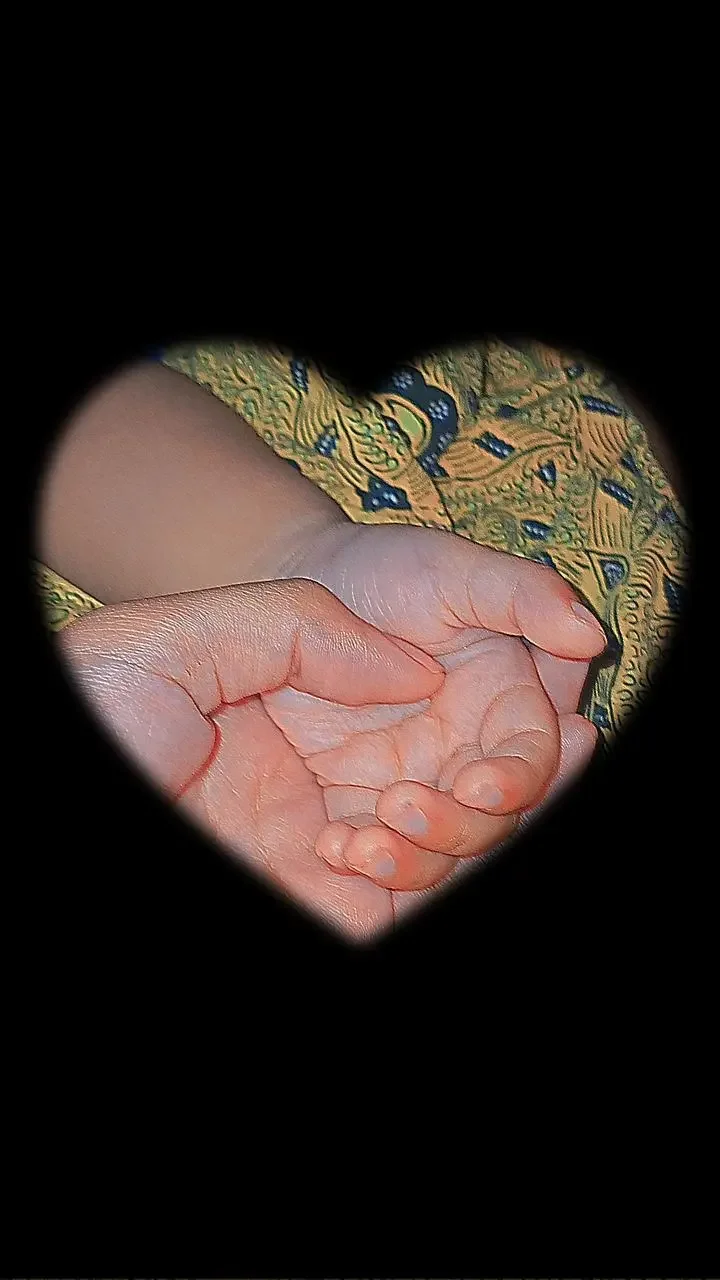
Adolescents’ transition into motherhood
This gallery presents the stories of adolescents who have taken on a new role as mothers. Their journey begins with the moment they first discovered their pregnancy and the support they received from those around them.
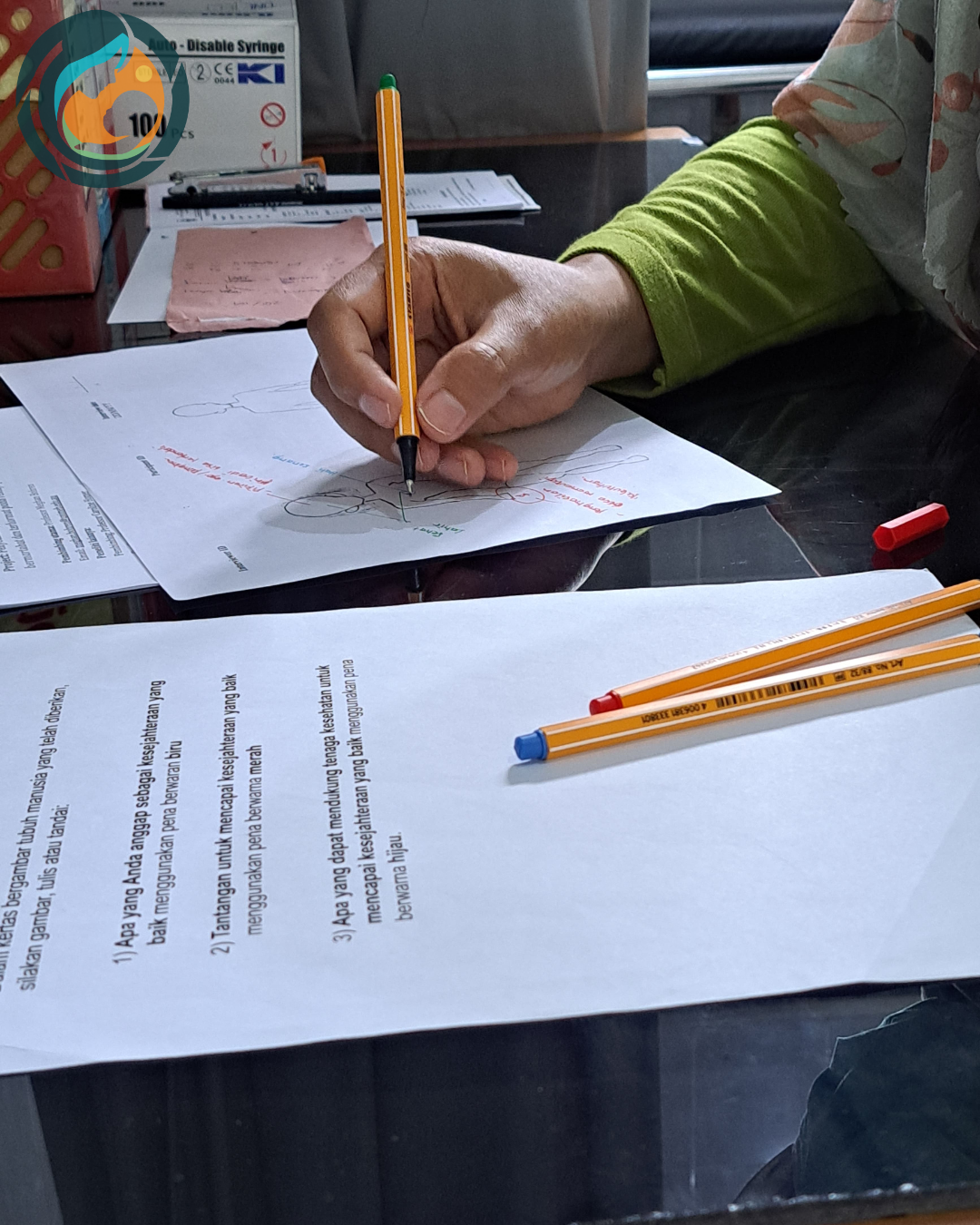
Health workers’ perspectives on well-being
This gallery presents body maps created by health workers who provide maternal and newborn care, illustrating how they perceive their own well-being. Through these reflections, health workers revealed that their well-being strongly shapes how they treat adolescents when adolescents access care.