Adolescent pregnancy is a global health issue with potentially serious consequences for adolescent girls and their babies. Indonesia has one of the highest adolescent pregnancy rates in Southeast Asia, with 36 births per 1,000 girls aged 15–19 in 2025.
Like all women, adolescents have the right to respectful, high-quality maternal care, yet many face barriers long before they reach a health facility. Poverty, limited decision-making power, and social stigma shape their experiences, and even when they do seek care, they often experience poorer treatment. Research from countries such as Zambia, Kenya, Ghana, Guinea, Myanmar, and Nigeria shows that adolescent girls are more likely than older women to face verbal or physical abuse, discrimination, and a lack of emotional support during care.
Adolescent girls in Indonesia are less likely than older women to access essential maternal health services from antenatal care visits, to skilled assistance during birth and postpartum care, although complications during pregnancy and childbirth are among the leading causes of death for adolescent girls.
Little is known about how adolescents in Indonesia experience maternal and newborn care, and what factors influence those experiences. The Respectful Maternal and Newborn Care Indonesia study seeks to fill this gap.
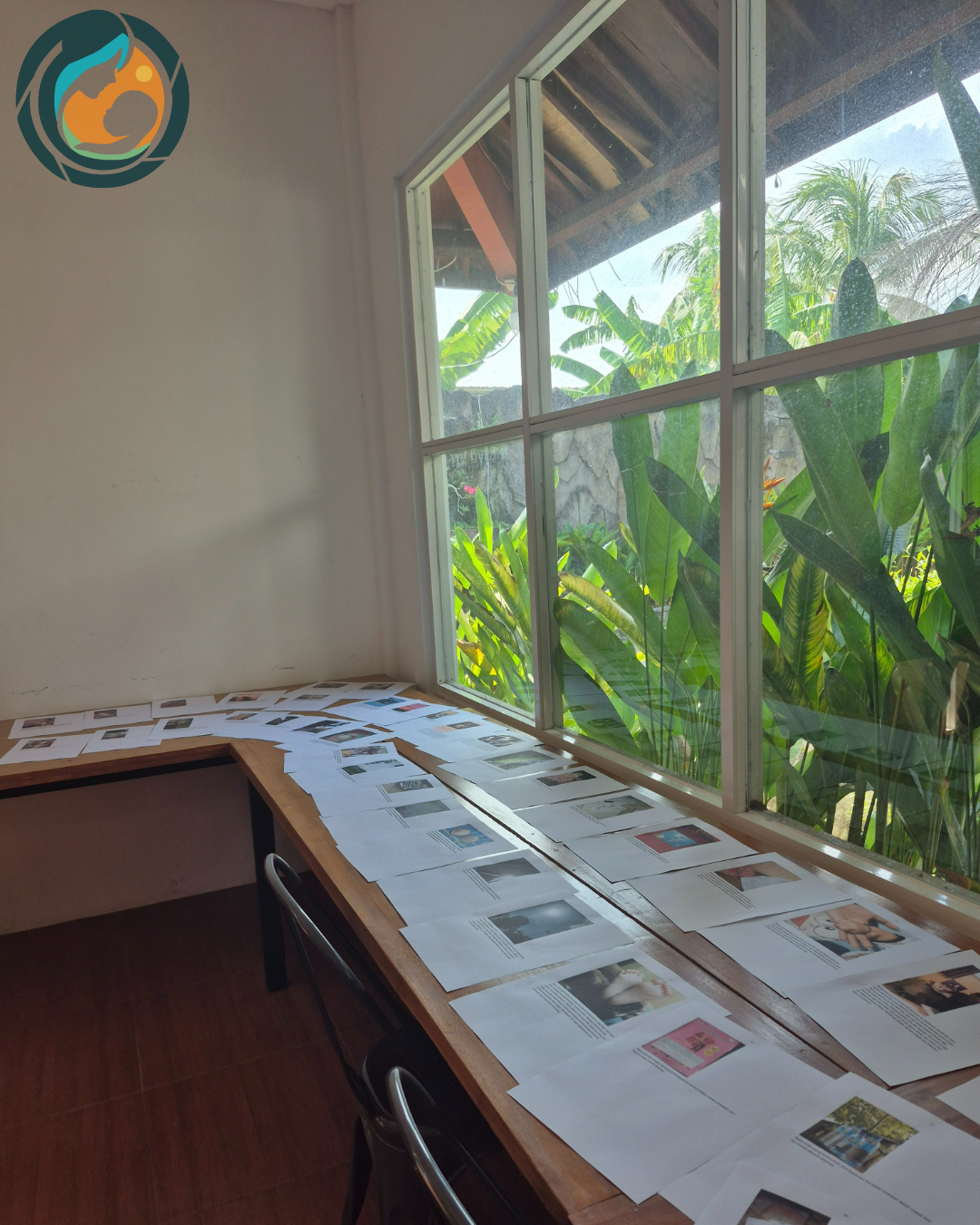
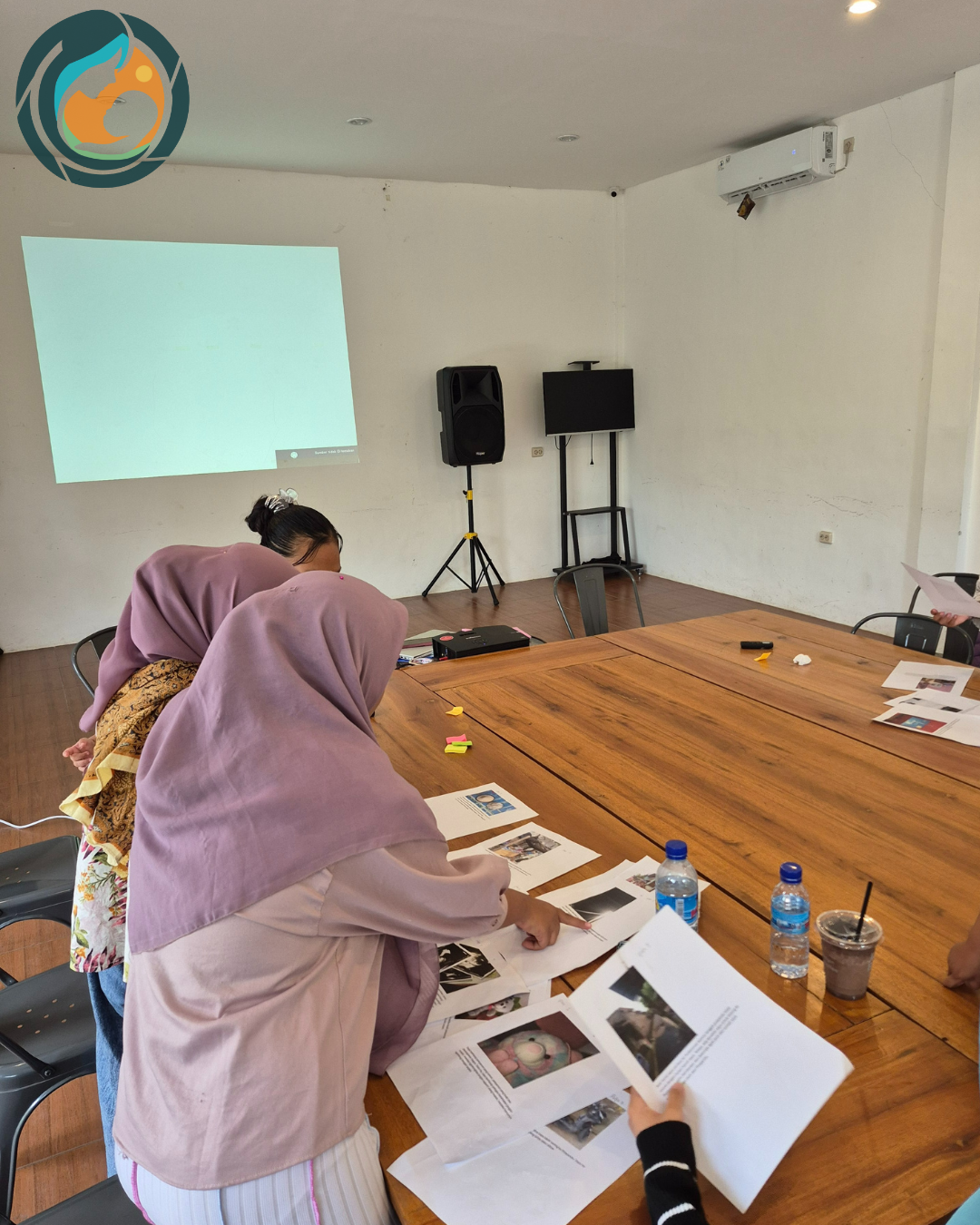
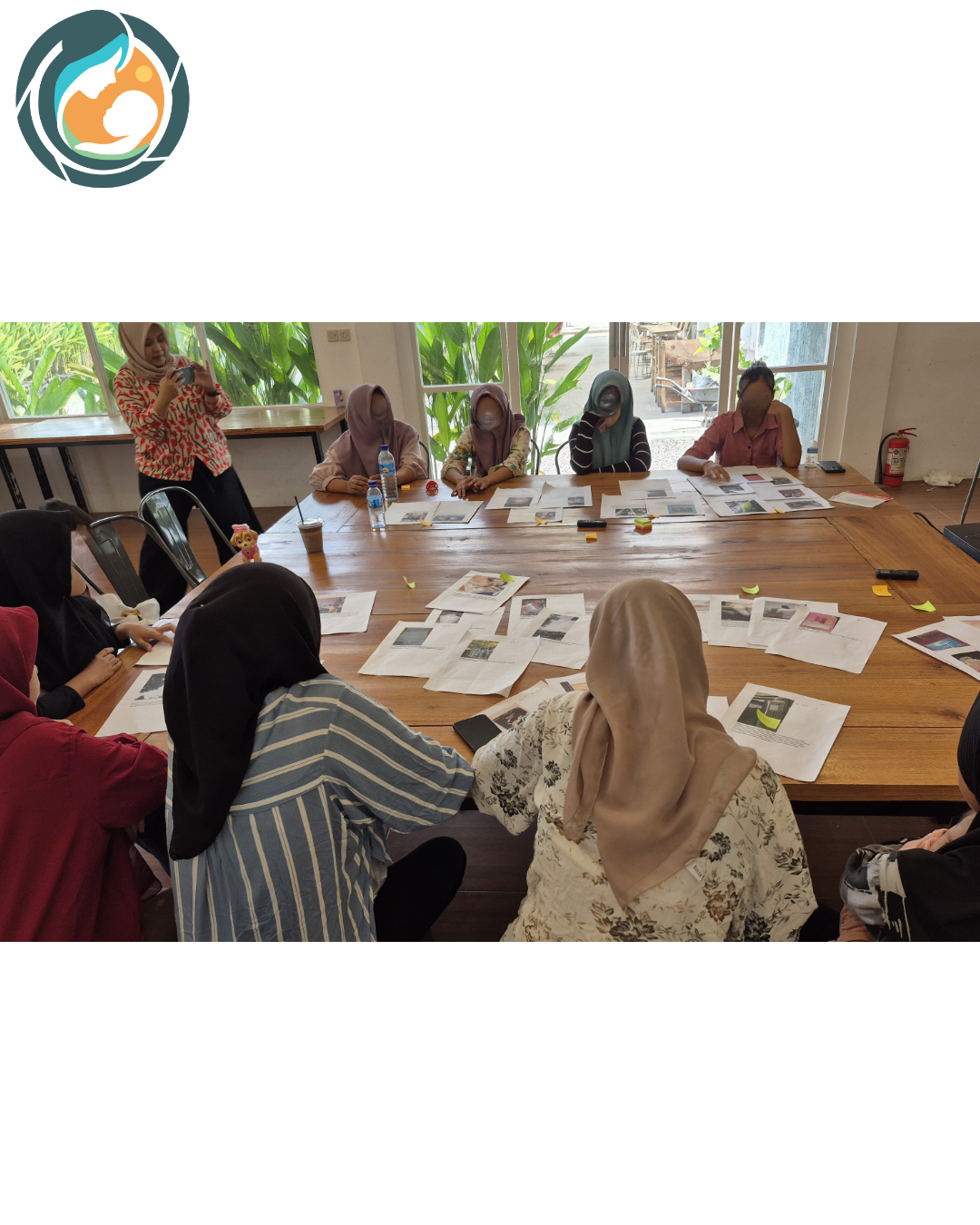
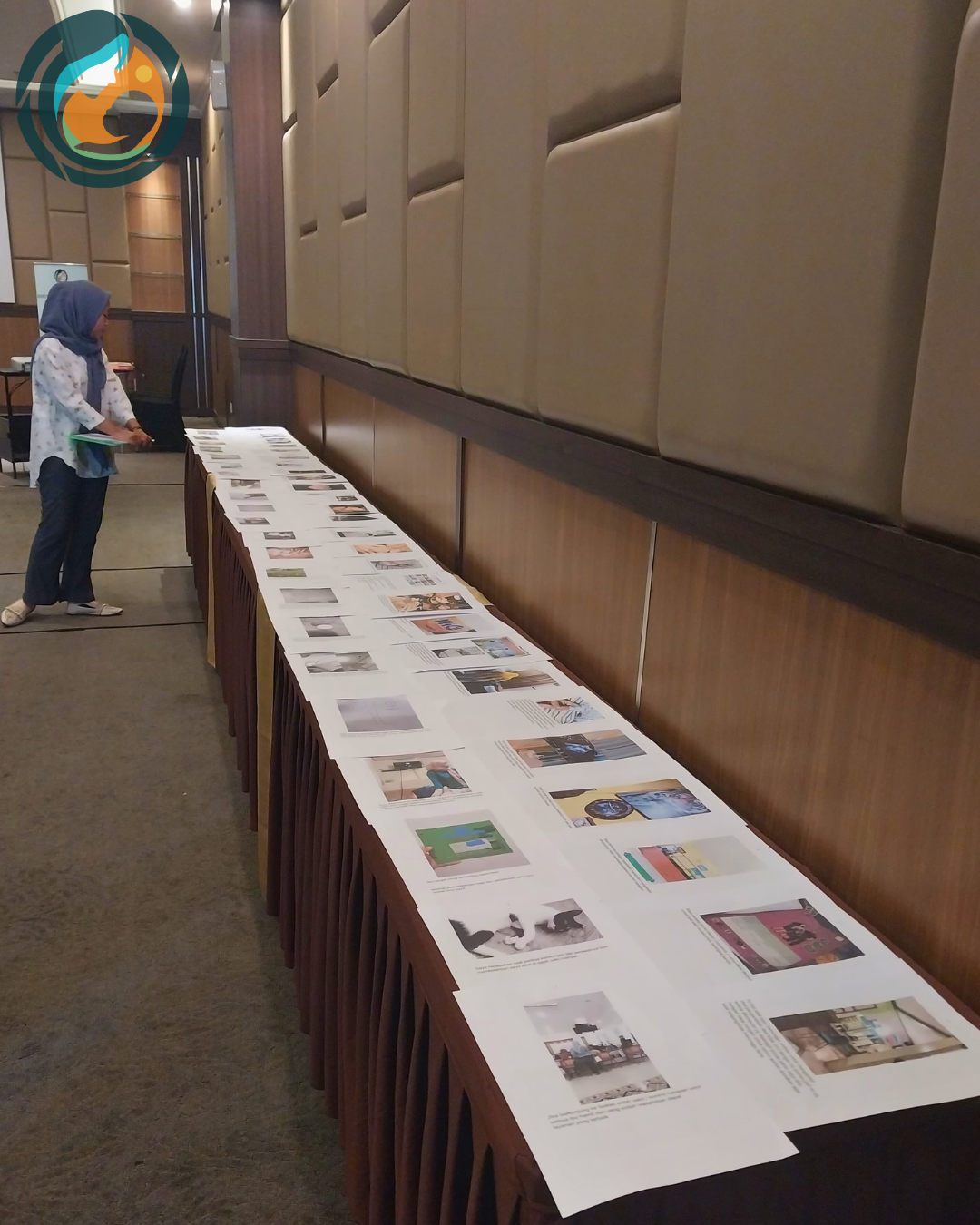
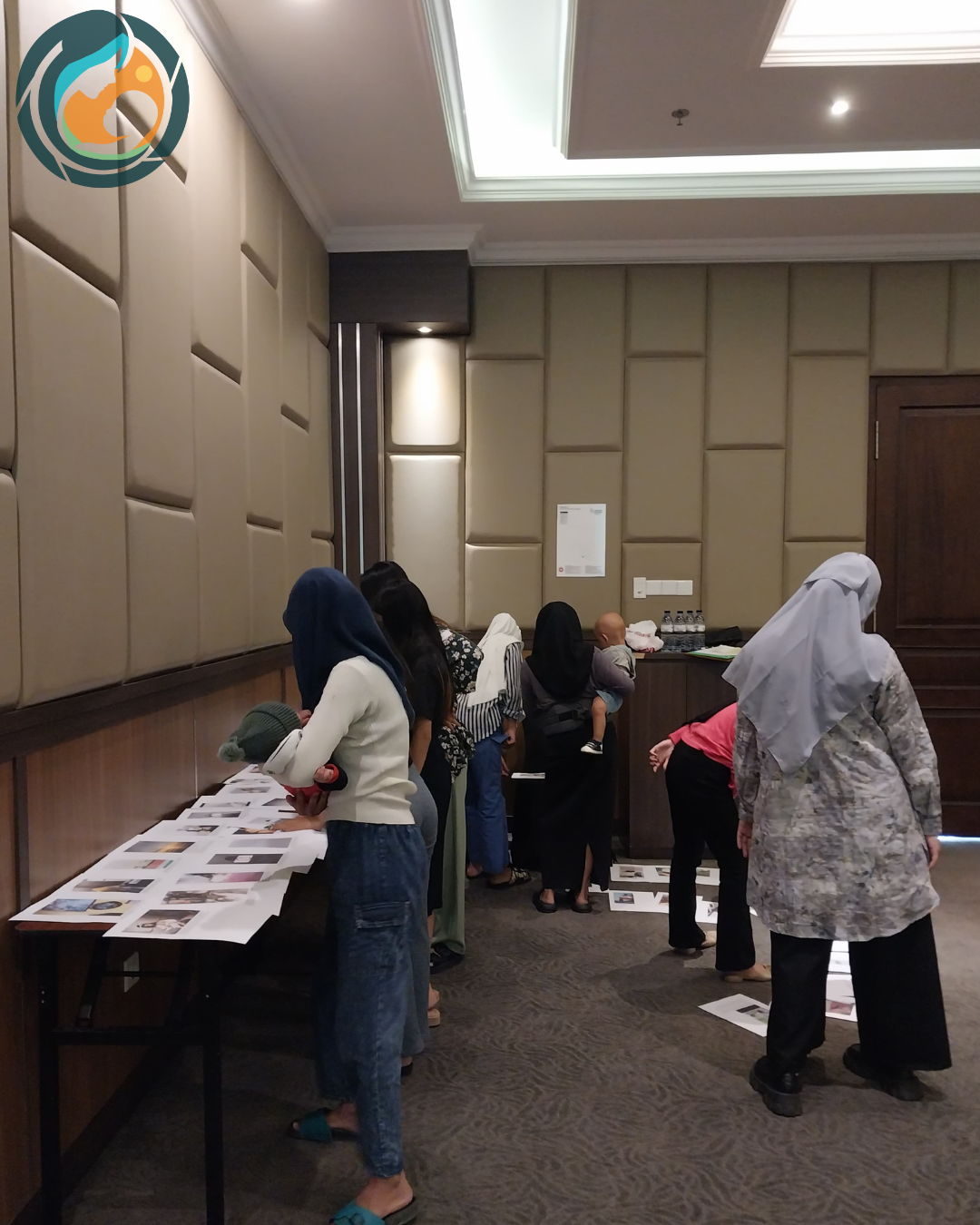
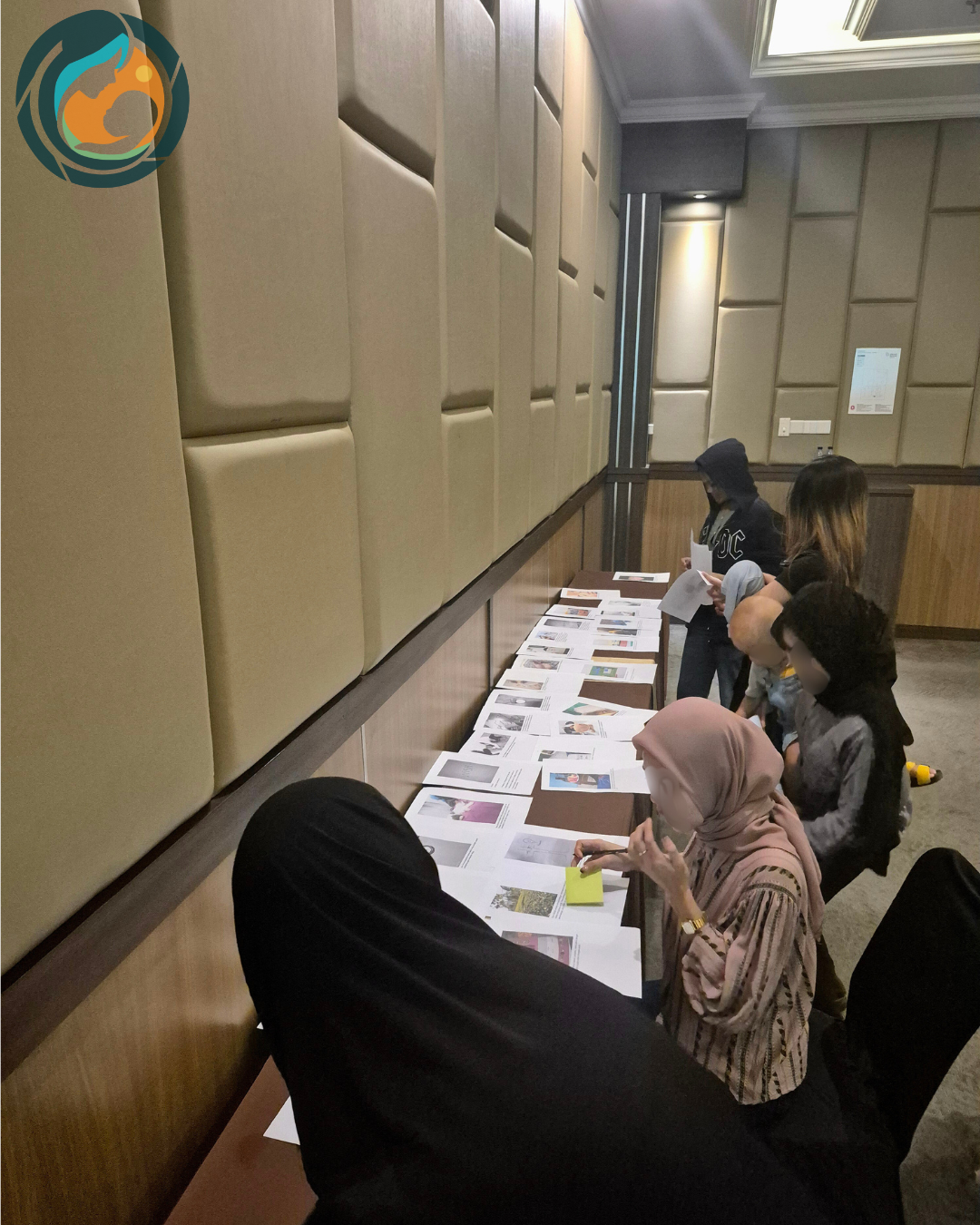
We spoke with 21 pregnant and postpartum adolescent girls aged 14-20 in Bantul (Yogyakarta Province) and Mataram (West Nusa Tenggara Province) — two regions with high rates of adolescent pregnancy. Adolescent participants were given cameras to document their experiences accessing and using maternal and newborn care. Through photographs, group discussions, and interviews, they shared their stories and reflections.
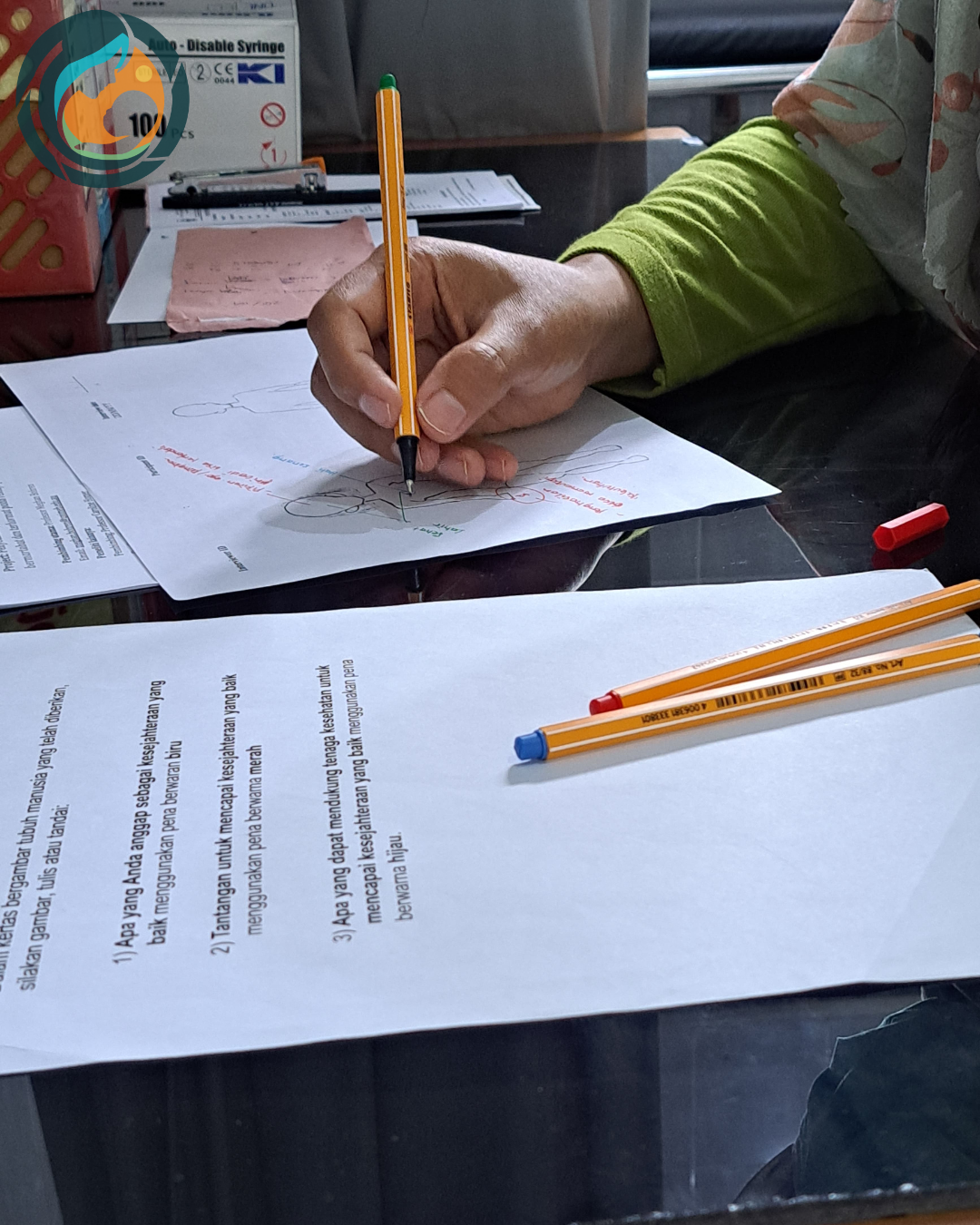
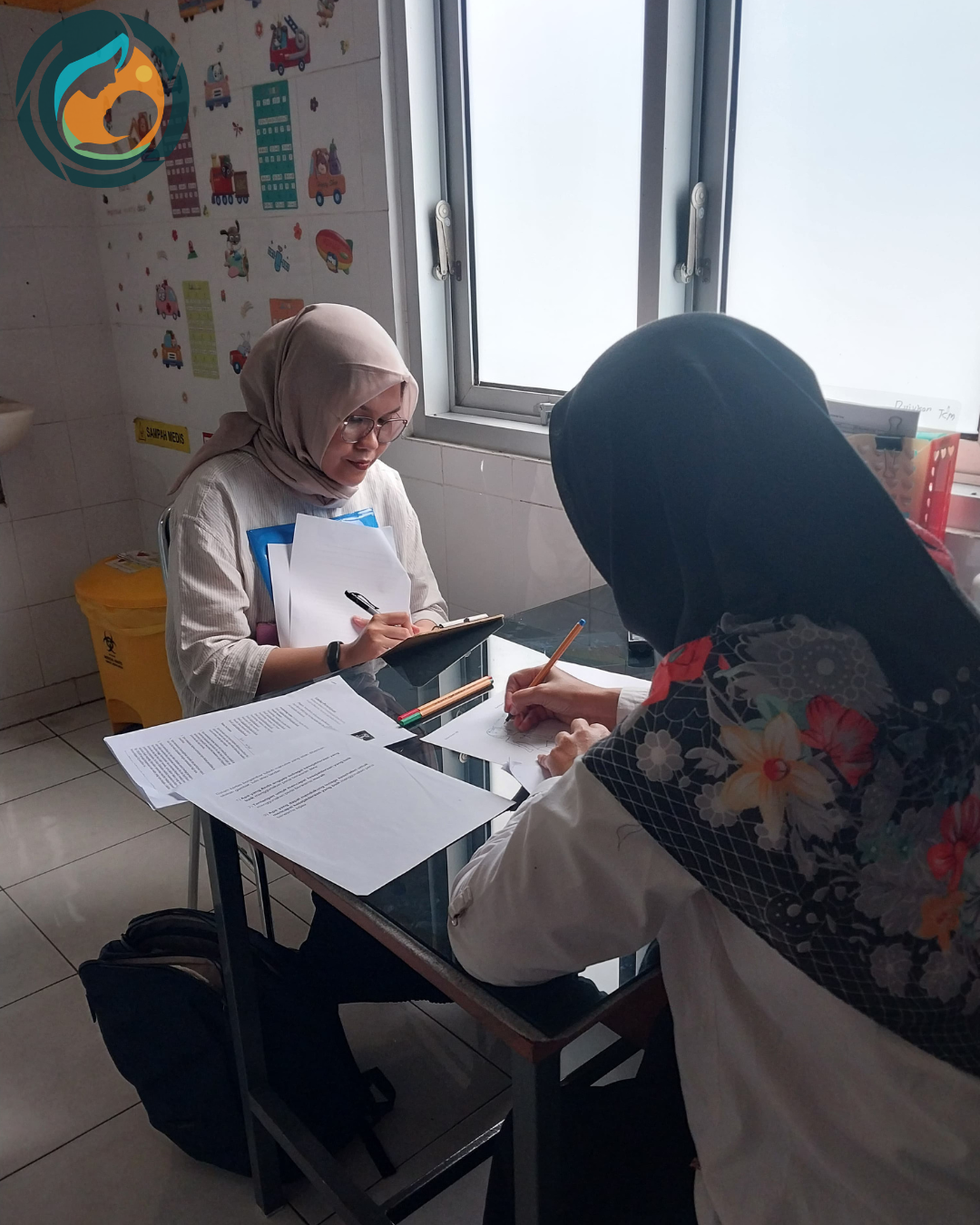
We also spoke with 26 health workers who provide maternal and newborn care to adolescents and their babies in those two regions. Health workers were interviewed to discuss experiences, challenges, and perceptions of providing care to adolescents. We further explored their perceptions of their own well-being through a body-mapping activity, as health workers' well-being is one of the drivers of respectful maternal and newborn care.
The findings of this study are presented through a series of images, captions, and stories — told in the participants’ own words — offering an intimate look into the realities of adolescent maternal and newborn care in Indonesia.
We are sincerely grateful to the participants who shared their personal stories and moments with us. Their experiences show the many challenges and unique needs adolescents face when accessing maternal and newborn care. Through their voices, we aim to raise awareness and inspire action to ensure that every woman and baby in Indonesia receives high-quality, respectful care.